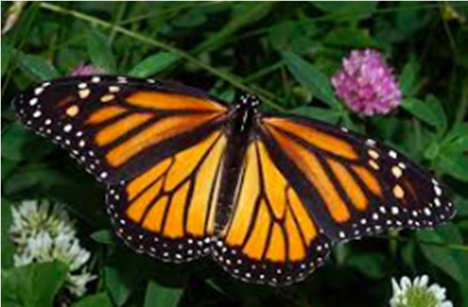
 Since 1981, Sept. 21 has been designated the United Nations' International Day of Peace. And the monarch butterflies that we sometimes have the privilege of seeing are a symbolize of peace.
But monarch numbers have dropped dramatically in recent years. To raise awareness of Idaho's state insect and to support pollinators and peace, we can plant milkweed seeds with our clubs, in our communities or with local schools to support pollinators and peace. And fall is the best time to plant milkweed seeds. Learn how you can get free milkweed seeds and why this plant is so important to the monarch butterfly.
The novelist Nathaniel Hawthorne wrote that "Happiness is a butterfly, which when pursued, is always just beyond your grasp but which, if you will sit down quietly, may alight upon you." Many people say that, if a monarch lands on you, you're on the right path.
Indeed, butterflies—especially the monarch butterfly that migrates from Canada to Mexico in the West—represent many positive qualities for various cultures. Native Americans painted this butterfly on dolls and gave them as gifts in hopes of "future abundance and health." Because millions of monarchs arrive in Mexico around the Day of the Dead (Dia de los Muertos, from Oct. 31 to Nov. 2), they are incorporated into celebrations. And Christianity views butterflies as symbols of foretelling and transformation.
According to our district's Milkweed for Monarchs project coordinator, Fred Reed, "Like Rotarians, [m]onarch butterflies know no borders; they simply fly from country to country doing good work and pollinating plants." But monarch populations are endangered. As "people of action," we can help! The best course of action is to plant milkweed, the sole food source for monarch caterpillars. At the Wetland Peace Preserve, we've sown seeds for clumps of milkweed and found them to be quite healthy this summer!
Fred, along with District Governor Janice Fulkerson, invite all district Rotarians to "identify a central location for a milkweed/pollinator garden by working with a local school or parks department." Or you can plant some native showy milkweed in your own yard. Be careful—milkweed spreads! Carefully consider where you plant it, maybe even trying planters.
To request seeds, contact Fred at fredreed3415@gmail.com or at 208.631.0227.